
Open vs. Enclosed Car Transport: Which Shipping Method Should You Choose?
Choosing the right vehicle transportation method is an important part of planning a shipment.
Two of the most common options are open car transport and enclosed car transport.
Both methods are designed to move vehicles between locations, but they differ in pricing, equipment, availability, and protection from outdoor conditions.
Understanding these differences can help you choose the most appropriate service.
What Is Open Car Transport?
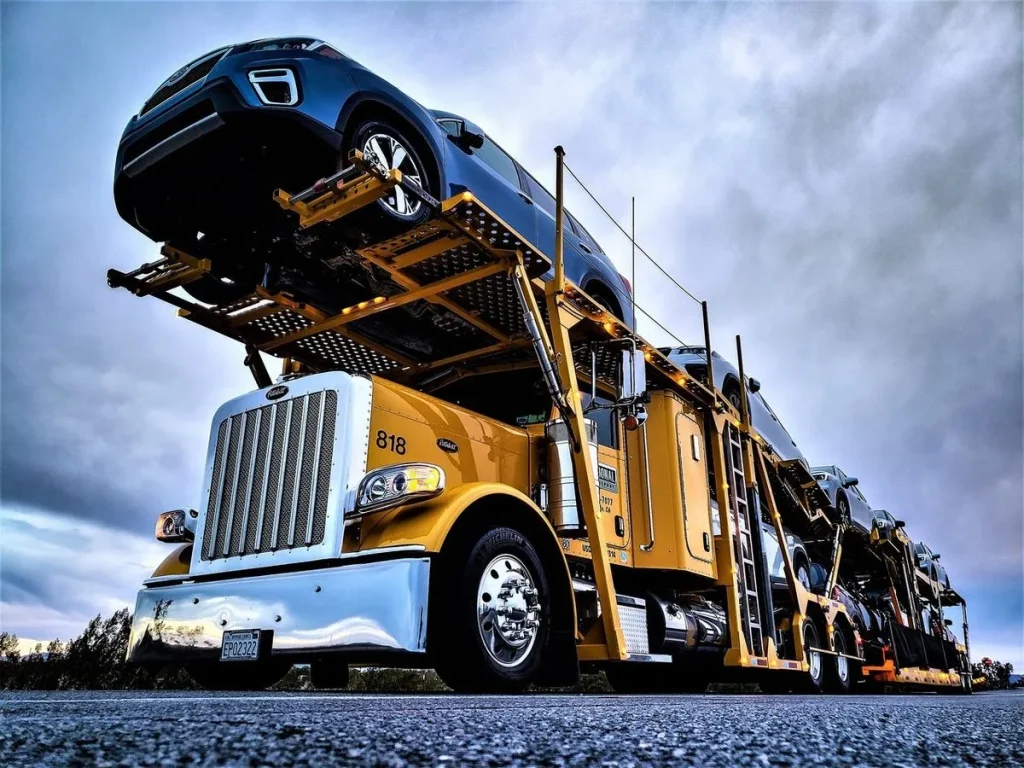
Open car transport involves shipping vehicles on open-air trailers.
These trailers commonly carry multiple vehicles during a single trip.
Because the transportation cost is distributed across several shipments, open transport is generally more affordable.
It is commonly used for sedans, SUVs, pickup trucks, and everyday passenger vehicles.
However, vehicles remain exposed to normal outdoor conditions during transportation.
What Is Enclosed Car Transport?
Enclosed car transport involves shipping vehicles inside covered trailers.
The enclosed environment provides an additional barrier against rain, dust, and road debris.
This method is often selected for luxury, classic, exotic, and collectible vehicles.
Enclosed trailers may carry fewer vehicles than open carriers, which can contribute to higher transportation costs.
Comparing Transportation Costs
Open transportation is generally the more economical choice.
It is particularly suitable for customers transporting standard vehicles who want to manage shipping expenses.
Enclosed transportation usually costs more because of equipment differences, capacity limitations, and specialized handling considerations.
Customers should request quotes for both methods when comparing their options.
Comparing Vehicle Protection
Open carriers are designed to transport vehicles securely, but they do not protect vehicles from all outdoor conditions.
Enclosed trailers provide additional protection from direct exposure to weather and road debris.
However, neither transportation method eliminates every possibility of damage.
Customers should review the carrier’s insurance documentation and inspection procedures regardless of the shipping method.
Comparing Availability
Open carriers are widely used throughout the auto transport industry.
Depending on the route, open transportation may offer more scheduling opportunities.
Enclosed carriers can have more limited availability, especially for specialized vehicles or less frequently serviced routes.
Customers considering enclosed transportation may benefit from arranging their shipments in advance.
Which Option Is Best for Everyday Cars?
For most standard passenger vehicles, open transportation is a practical choice.
It provides professional vehicle shipping without the additional expense of enclosed equipment.
Customers transporting everyday cars primarily for relocation or convenience often find open shipping suitable.
Which Option Is Best for Luxury or Classic Vehicles?
Owners of luxury, classic, and collectible automobiles may prefer enclosed transportation.
The additional protection from outdoor exposure can be particularly valuable for vehicles with specialized finishes or collectible significance.
Customers should also discuss any unusual loading requirements before scheduling transportation.
Making the Right Decision
The best transportation method depends on your vehicle, budget, destination, and preferences.
Consider the value and condition of your vehicle, the transportation distance, and your desired level of protection.
Auto Integrity Way Transport helps customers explore open and enclosed shipping options for different transportation needs.
Contact us at (747) 281-3616 to discuss your vehicle shipping requirements.